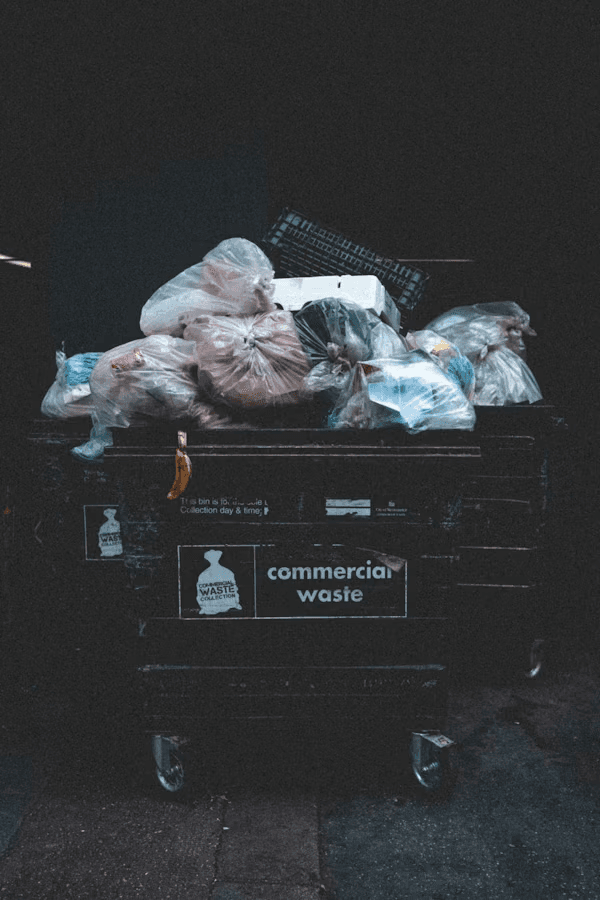
In every industry, from manufacturing to construction, production generates two distinct outputs: the finished product and the residual waste. While the finished product is assigned clear economic value and market recognition, waste is often dismissed as a burden. This disparity in perception and costing highlights a critical gap in how industries, policymakers, and society view resource efficiency. By reframing waste as a potential co-product rather than a discarded byproduct, new pathways can be unlocked for circular economy practices, sustainable investments, and climate resilience.
Across sectors such as manufacturing, construction, and energy, waste is consistently undervalued compared to finished products. This disparity is reinforced by weak or inconsistent policy frameworks that fail to recognize waste as a resource. The result is a cycle where waste management remains reactive, fragmented, and underfunded.
Policy Gaps and Regulatory Challenges
Municipal Solid Waste (MSW)
- Issue: Reliance on open dumping despite the availability of modern technologies.
- Policy Gap: Weak enforcement of Solid Waste Management Rules, insufficient funding, and lack of accountability.
Lithium-ion Battery Ecosystem
- Issue: Export of black mass due to lack of domestic refining capacity.
- Policy Gap: Absence of clear mandates or incentives for domestic refining and cell manufacturing.
Sectoral Case Studies
Manufacturing
Manufacturing processes generate significant waste streams, including scrap metals such as steel, aluminium, and copper, which retain high recycling value. Plastics from off-cuts, defective molds, and packaging waste also accumulate, often ending up in landfills despite their potential for reuse in secondary markets. Yet, several companies are demonstrating how structured waste management and certification frameworks can transform this challenge into opportunity.
Grundfos India become the first pump manufacturing site to receive the prestigious TRUE (Total Resource Use and Efficiency) Platinum Certification for zero waste, the highest level of recognition demonstrating sustainability and resource efficiency. It has achieved an impressive 98.2% diversion of waste from landfills.
Lenskart Factory, Bhiwadi (Rajasthan) has aligned its operations with the UN Sustainable Development Goals (SDG 12: Responsible Consumption & Production), embedding waste segregation, recycling partnerships, and packaging redesign into its production lines. By using recycled materials in eyewear frames and reducing single-use plastics, the factory has moved toward net-zero waste management, ensuring that manufacturing residues are treated as co-products rather than burdens.
Construction
The construction sector produces bulky waste in the form of concrete rubble, bricks, and tiles from demolition and site clearance. Aggregates like sand, gravel, and stone fragments are frequently discarded even though they can be repurposed into recycled building materials, reducing demand for virgin resources. However, several companies and certification frameworks are demonstrating how construction waste can be systematically diverted and valorized.
Tata Projects has embedded Green Building Certification (IGBC/LEED) into its construction practices, which include recycling demolition rubble into road base materials and reusing stone fragments in landscaping. These certifications validate waste diversion strategies while enhancing project credibility.
DLF (Real Estate Developer, India) has achieved TRUE Zero Waste Certification for several of its corporate campuses. By implementing source segregation, recycling partnerships, and on-site composting, DLF has shown how construction and demolition debris can be integrated into circular waste streams rather than landfilled.
Energy & Batteries
Spent lithium-ion batteries yield “black mass,” a mixture of valuable metals such as lithium, cobalt, and nickel. However, without domestic refining capacity, this material cannot be converted into battery-grade cathode material, forcing India to export it and lose both economic and strategic resource value. Yet, several companies and certification frameworks are working to close this gap by building recycling infrastructure and aligning with net-zero standards.
Gravita India (Jaipur, Rajasthan) has embedded circular economy principles into its recycling operations, recovering lead, aluminium, plastics, and rubber from scrap. By shifting procurement from informal to formal channels and aligning with ISO 14001 Environmental Management Certification, Gravita demonstrates how industrial recycling can achieve net-zero waste management while strengthening India’s resource security. Over 54% of raw materials are now domestically collected, strengthening India’s recycling ecosystem
Agriculture & Food
Agriculture and food systems generate large volumes of organic waste, including crop residues, spoiled produce, and food scraps. When properly managed, these can be composted into nutrient-rich soil enhancers or used as feedstock for biogas, turning waste into a valuable input for sustainable farming and energy production.
Tetra Pak India, on average, at least 70% of our packaging material is made from long, strong paper fibers that can be recycled several times. The thin layer of polymers or plastics in their beverage cartons can be blended with other polymers and turned into new products, such as roofing tiles, crates, carton boxes and more.
Investment Opportunity: Catalyzing Capital for Waste-to-Worth Infrastructure
Capital-Intensive Nature
Establishing advanced waste-to-worth infrastructure demands significant upfront investment in technology, land, and operations.
Barrier of Short Concession Periods
Current concession models often provide limited timeframes, discouraging private sector participation. Investors and operators hesitate to commit resources when the payback horizon is too short to recover costs or generate sustainable returns.
Impact on Sector Growth
This structural limitation restricts the inflow of capital and expertise, slowing India’s transition toward sustainable waste management and a circular economy.
Key Challenges
- High Upfront Costs: Waste-to-energy plants, recycling hubs, and composting facilities require substantial capital investment.
- Short Concession Periods: Limited tenures discourage private sector participation.
- Resulting Gap: Restricts inflow of capital and expertise, impeding India’s progress toward sustainable waste management and circular economy goals.